On this page
No. The words on a thumbnail should not repeat the title; they should add what the title leaves out. The viewer reads the cover and the title together, glancing from one to the other before deciding, and when both say the same thing the second look teaches nothing. A cover has room for about three big words, and spending them on words that already sit underneath in the title wastes the only space on the page that is read first. The exception is search-led content, where a headline that overlaps the title's key words confirms relevance, and that is covered below.
Why the second look has to be rewarded
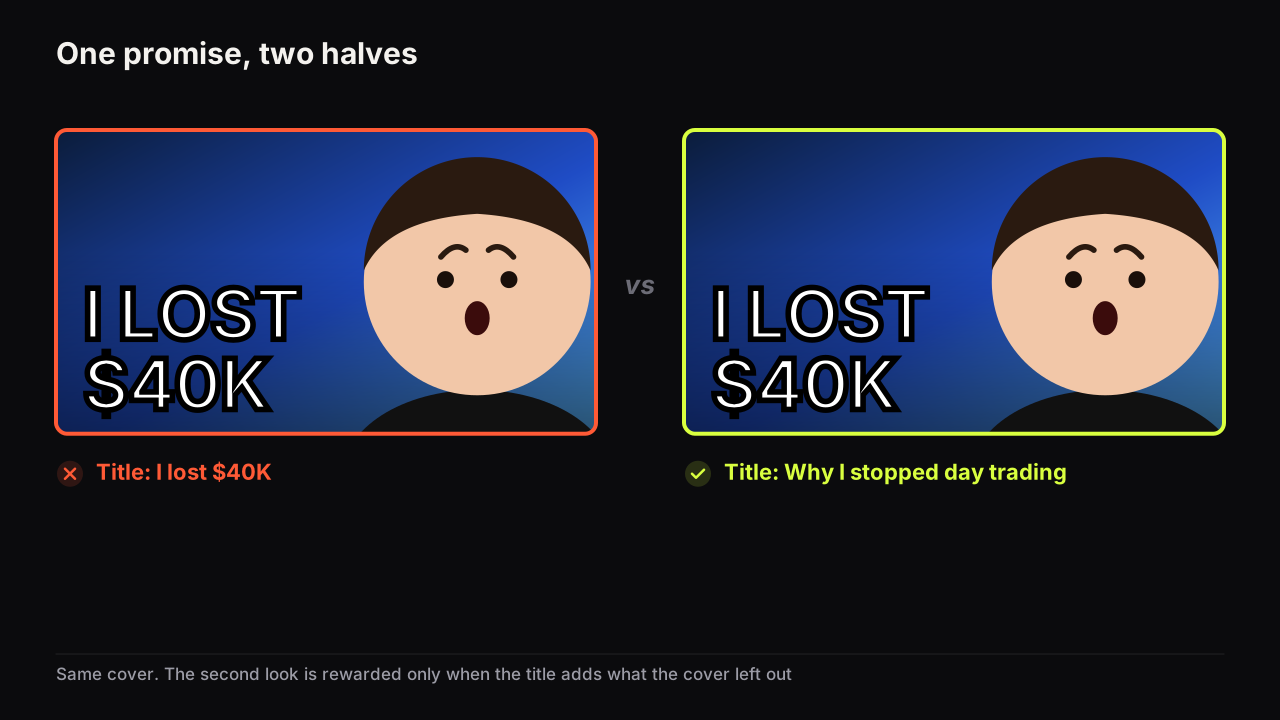
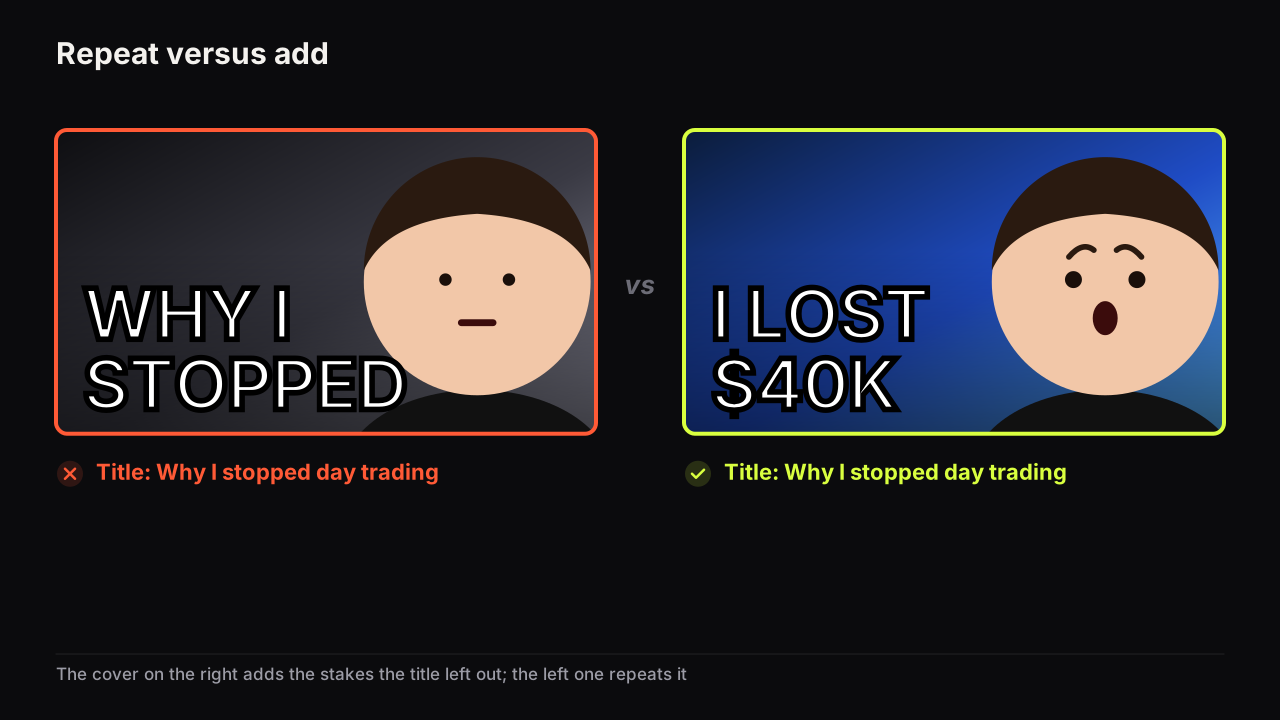
In a feed the eye goes to the cover, then to the title, then back to the cover. That return trip is where the click is decided, and it is only worth making if the title changed what the cover meant. "I LOST $40K" on the cover with "I lost $40K" as the title is one piece of information shown twice. The same cover with "Why I stopped day trading" as the title is a story: the cover supplies the stakes, the title supplies the subject, and the viewer now has a question ("how does day trading lose you $40K?") that neither half answers alone.
That division, the title saying what the video is and the cover saying why it matters, is the core of treating the title and thumbnail as one promise. This article covers only the text half of it: given a title, what should the three words on the cover be?
YouTube's thumbnail and title tips page notes that viewers may only see part of the title. Source: YouTube's thumbnail and title tips.
That fact is a second reason not to repeat. On surfaces where the title is cut off, a cover that repeats the title's opening words duplicates the part that survived and drops the part that was lost. A cover that carries the stakes covers for the truncation instead.
Three ways the cover can add to the title
Every non-repeating cover headline we have looked at does one of three things: it adds a detail the title left general, it adds the stakes the title left implicit, or it adds a contradiction the title set up.
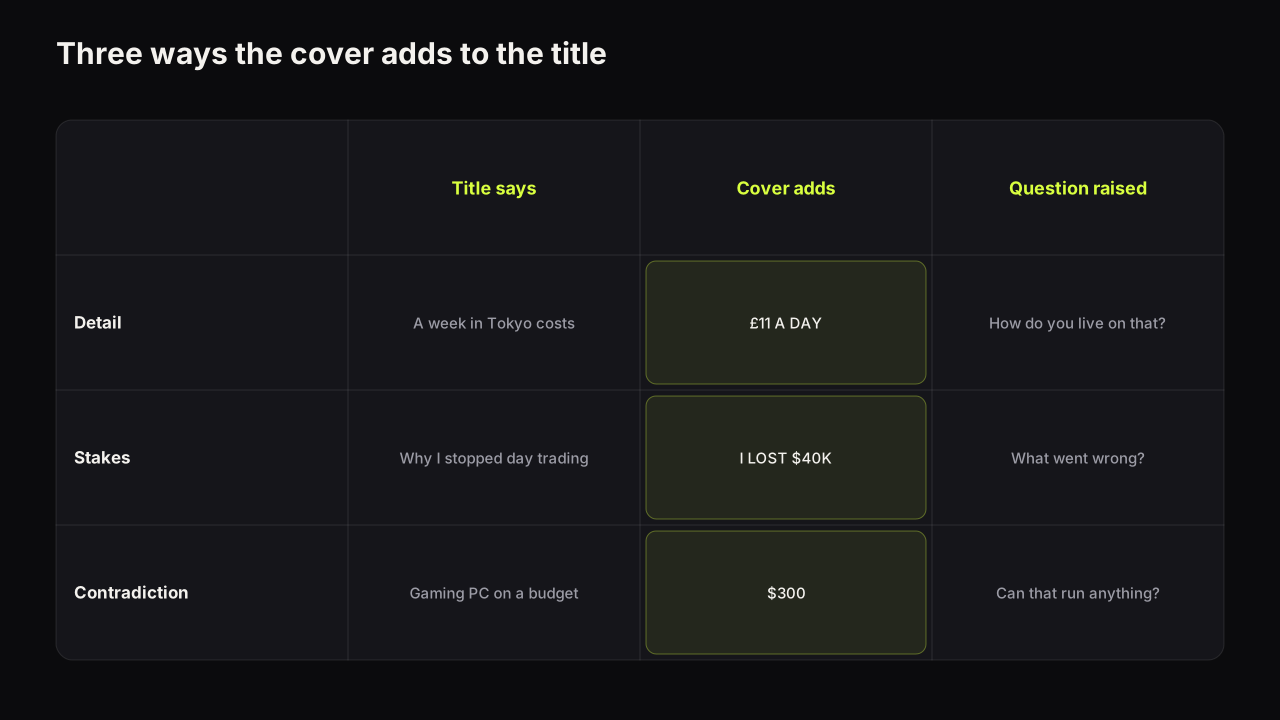
| Relationship | Title (what) | Cover headline (adds) | The question the pair raises |
|---|---|---|---|
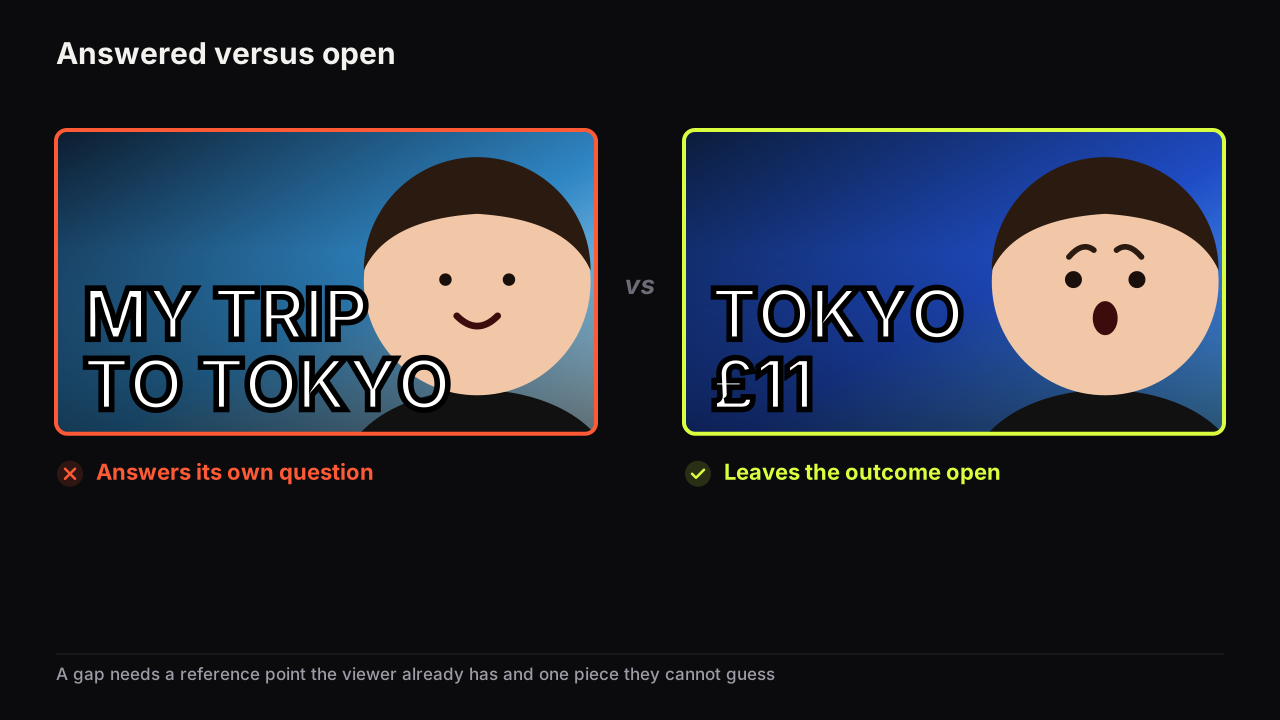
| Add a detail | What a week in Tokyo actually costs | £11 A DAY | How do you live on that? |
| Add the stakes | Why I stopped day trading | I LOST $40K | What went wrong? |
| Add the contradiction | Building a gaming PC on a budget | $300 | Can that run anything? |
Add a detail when the title is a general subject. The cover names the one specific inside it that the viewer will want explained. The title says "what a week costs"; the cover says "£11 a day", and the gap between the general and the specific is the question.
Add the stakes when the title is a subject without a consequence. The cover names what was at risk. "Why I stopped day trading" is a subject; "$40K" is the reason to care. This is the most common fix for a flat pair, because most titles are written as subjects.
Add the contradiction when the title sets up an expectation the cover can break. "Gaming PC on a budget" sets up a number the viewer expects to be a few hundred more than "$300". The cover breaks it, and the viewer wants to know how. The guide to opening a question the video has to answer covers contradiction and the other gap types in depth.
Take a hypothetical pair. The title is "I tried the 5am routine for 30 days". The obvious cover is the creator holding a coffee with "5AM ROUTINE, 30 DAYS" in white on blue, and the viewer reads the title twice. Now imagine the cover is the creator's face lit only by a phone screen, eyes half shut, and the words "DAY 9. QUIT." The title still says what the video is. The cover has added a contradiction, and the question (why day nine, and why is there a video at all) is one neither half answers alone.
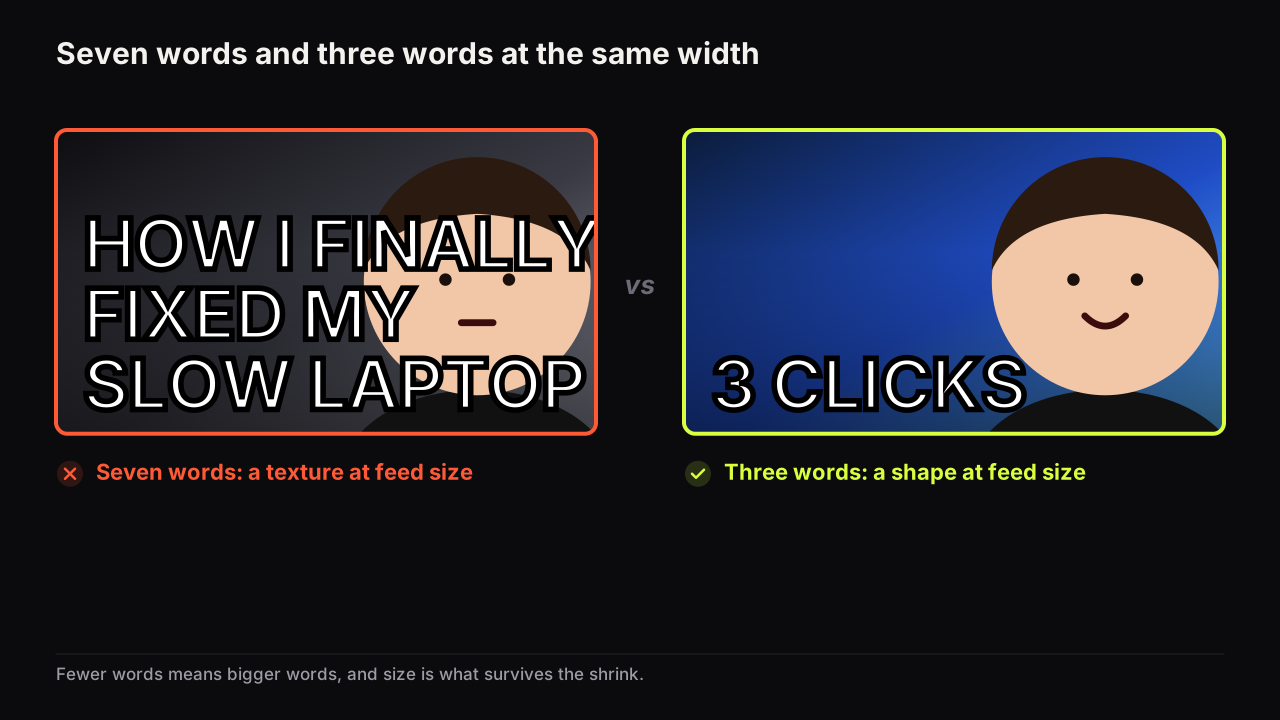
Write the title first as a plain statement of what the video is. Then ask which of the three the title lacks: a specific, a consequence, or a surprise. Put that on the cover in three words or fewer, and check that the picture shows the thing the words are about. The words and the image should not repeat each other either; the guide to how many words a cover can carry has the reading argument for the three-word limit.
When repeating the title is fine
There are two cases, and both come from the viewer already knowing what they want.
Search-led content. A viewer who typed "fix wifi dropouts windows 11" is scanning results for their own words. A cover that says "FIX WIFI DROPOUTS" under a title that says "How to fix Wi-Fi dropouts on Windows 11" repeats, and it is right to, because the cover's job in a search result is to confirm relevance faster than the title can. The split rule is for browse surfaces, where the viewer arrived without a question. Where your impressions come from decides which case you are in, and reading click-through rate by traffic source is how to find out.
One anchor word. Sharing a single word between cover and title is not a repeat; it is a hinge. "TOKYO" on the cover and "What a week in Tokyo actually costs" as the title share the anchor and split the rest. What fails is sharing the sentence.
On a channel whose impressions come mostly from Browse, we would drop even the anchor word and let the two halves share nothing, even though it costs the viewer scanning by keyword a moment of confirmation. The return trip is worth more than the reassurance.
Series and brand words are a third case creators ask about ("EP 12", a show name). In practice a small series mark on the cover does no harm as long as it is not one of the three big words. Treat it as part of the background, not the headline.
Checking your own pair
Three tests, in order, before upload.
- Read the cover headline aloud, then the title. Does the second sentence add something you did not know from the first? If not, one of them has to change.
- Cover the picture with your thumb. Do the words still mean something? If they only make sense with the title, they are a caption, and the cover needs a detail, a stake or a contradiction instead.
- Cover the second half of the title with your thumb. Does the promise survive? If the stakes were in the hidden half, move them to the cover.
The cover's words are the place spelling and exactness matter most, because a number or a name rendered slightly wrong undoes the whole promise. On the bench, the headline field renders the words into the image; when the exact characters matter (a price, a model name, a date), the editor's text layers put real fonts on top of the render so you control every character, and every save is kept as a version.
What to do next
Take the last five videos you uploaded and read each cover headline and title as a pair. Mark each one as repeat, detail, stakes or contradiction. If most are repeats, the fix for the next upload is to write the title as the plain what and give the cover the missing half. Then run the same review across the whole pair, cover and title together, with the pre-upload thumbnail checklist, which includes the promise checks alongside the size and readability ones.