On this page
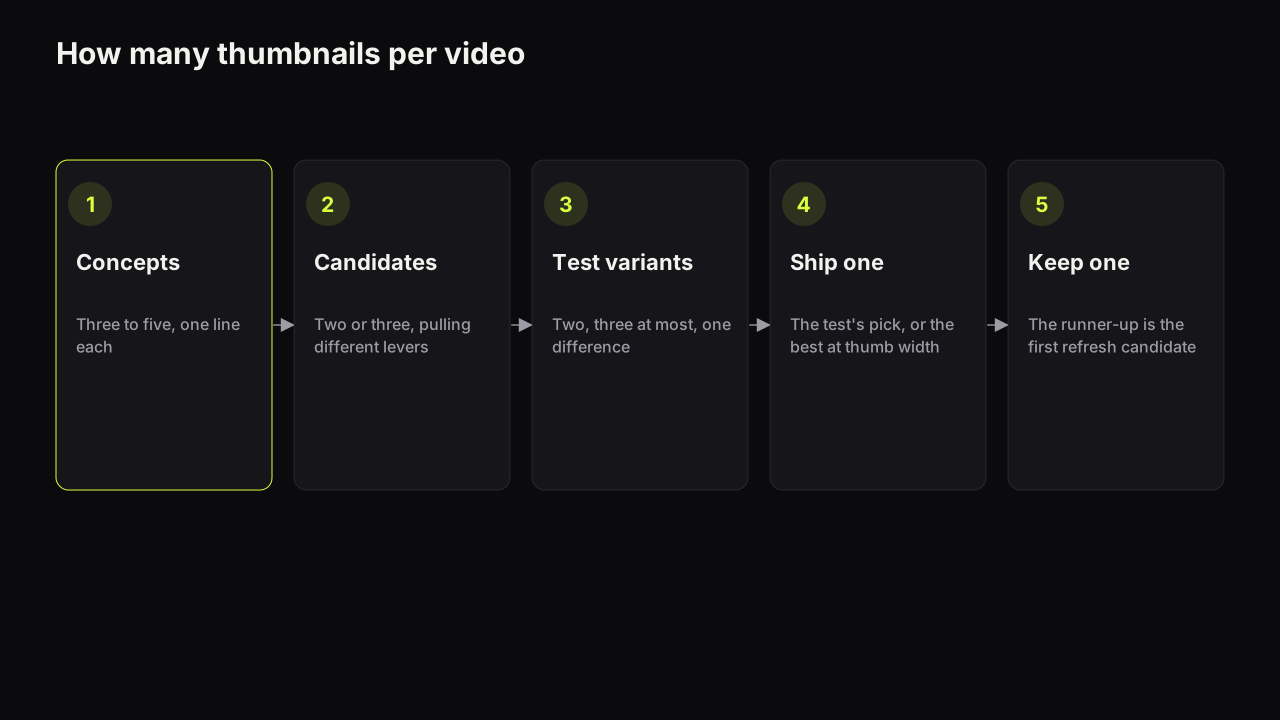
Make three to five thumbnail concepts per video, render two or three of them into candidates, put at most two or three into a test, and ship one. That is the whole answer, and the reason it is four numbers rather than one is that a concept, a candidate, a test variant and the cover you upload are different objects that cost different amounts. A channel that makes one thumbnail per video has skipped the first three levels. A channel that renders twenty and picks by feel has skipped the same three levels from the other direction.
The four numbers, and what each one is
A concept is a promise and a layout in one line ("doubtful face beside the receipt, £15 big, dark green"). It costs a minute. Three to five per video is enough to make sure the candidates pull different levers rather than being three versions of the first idea. A method for producing thumbnail ideas is the way to get from the promise to those three to five without a gallery.
A candidate is a concept rendered well enough to judge at feed size: real face, real words, real colour. Two or three per video, chosen because they differ in the lever they pull (stakes, curiosity, a face), not because they are the three you liked most.
Take a video testing a £15 air fryer. Concept one: your doubtful face beside the receipt, "£15" big in yellow on dark green. Concept two: the fryer split down the middle, golden chips on the left and pale ones on the right, "WORTH £15?" in two words. Concept three: the same doubtful face, same receipt, blue ground instead of green. One and two become candidates, because one pulls stakes and two pulls curiosity, and the viewer infers a different video from each. Three never gets rendered; it is concept one in a different colour, and a test between them would be a test of paint.
A test variant is a candidate that survived a critique and differs from the other variants in one thing you want to learn about.
YouTube's help page on testing titles and thumbnails says a test can include up to three titles, thumbnails, or title and thumbnail combinations per video, that the result is decided by watch time share rather than clicks, and that a test resolves faster with more different variants and more impressions.
So three is the ceiling for a native test. We would run two rather than three, even though the tool allows three and the third idea is always tempting, because each variant then gets a larger share of the viewers and a result between two covers that differ in one thing names the thing. A three-way test that comes back Inconclusive has spent the video's impressions on a question it could not answer.
The one you ship is the variant the test picked or, where the video cannot be tested, the candidate that read best at thumb width beside real neighbours. The runner-up is kept, not discarded.
We recommend three to five concepts, two or three candidates, two test variants (three at most) and one shipped, for a channel uploading weekly. Making more at each level does not add rigour; it removes the point at which a choice gets written down.
Why twenty renders is fewer thumbnails than four
The number that matters is how many distinct promises were considered and how many decisions were recorded, rather than how many images exist. Twenty renders of the same concept in different colours are one concept. Picking among them by feel produces a cover and no lesson, and the next video starts from zero again.
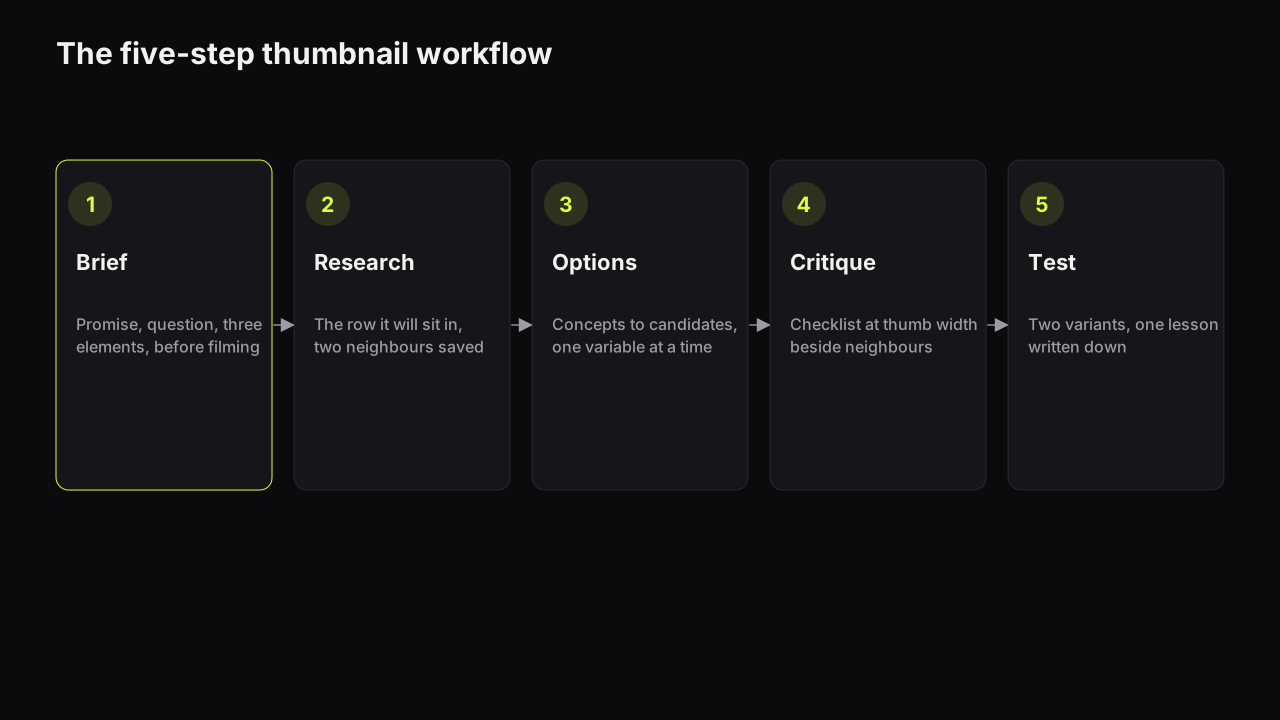
Four covers made in stages produce three things a pile of renders does not: a written concept list that says which levers were tried, a critique that says why two candidates lost, and a test result that says which lever this audience answers to. That is why the five-step thumbnail workflow treats the levels as a funnel with a checkpoint at each narrowing, rather than as a quantity of output.
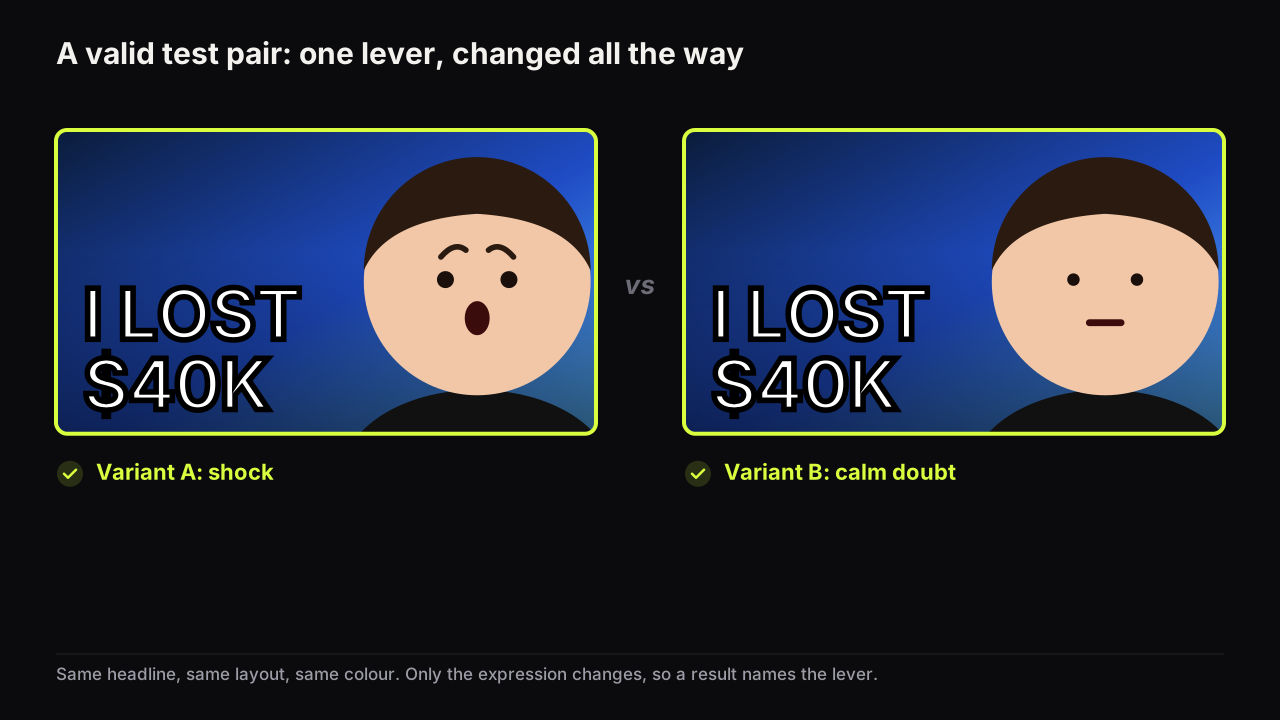
In practice the channels that improve fastest are not the ones that make the most thumbnails. They are the ones whose two candidates are furthest apart, because a test between a shocked face and a doubtful face teaches something, and a test between two shades of red does not.
The numbers by channel stage
The four numbers move a little with the channel's size, mostly because testing needs impressions.
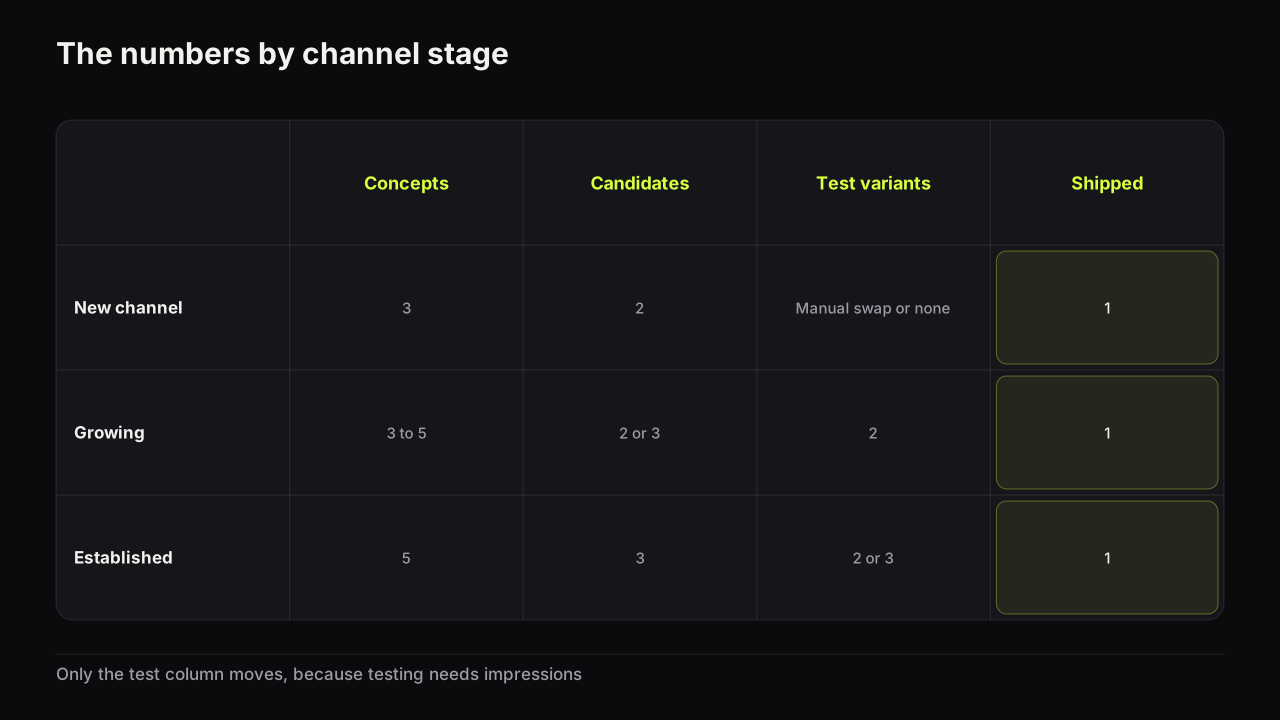
| Channel stage | Concepts | Candidates | Test variants | Shipped |
|---|---|---|---|---|
| New (few impressions, or Test & Compare not available) | 3 | 2 | A manual swap of 2, or none | 1 |
| Growing (weekly uploads, tool available) | 3 to 5 | 2 or 3 | 2 | 1 |
| Established (editor or team, steady impressions) | 5 | 3 | 2 or 3 | 1 |
A new channel should spend its effort on the concepts and the phone check rather than on tests, because a test with few impressions takes a long time to resolve and may end inconclusive; testing when you do not get enough impressions covers the alternatives, including testing one packaging idea across several videos instead of variants on one. A growing channel gains the most from the test level, because the lesson compounds across uploads. An established channel can afford the fifth concept and the third candidate, and should, because its covers compete in a row that has already copied its last style.
Where the extra thumbnails go
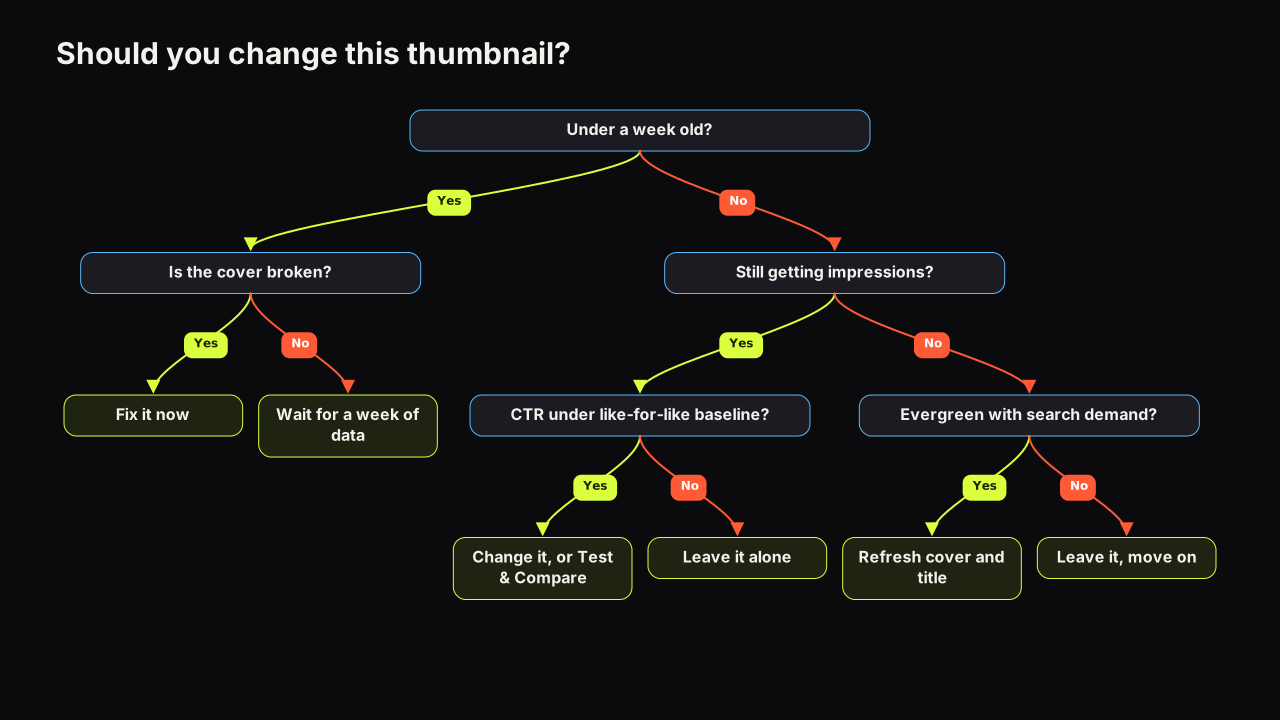
Nothing made at the candidate level is waste. The runner-up from the critique is the first refresh candidate for the day this video's cover is worth changing, which for an evergreen video may be months away. The losing test variant tells you which lever not to lead with next time. The concepts that were never rendered go into the next brief as starting points.
On the bench this is what the render count is for. The maker returns one to four options per render, one credit each, which covers the candidate level of one concept in about a minute. The second candidate that differs from the first in only the expression or the headline is a Tweak: the result becomes the source for the next render and only the thing you changed changes, which is how two variants end up different in one thing rather than in everything.
How to choose the two that go into the test
Judge candidates small, not large. Shrink each to thumb width beside three real neighbours from the row it will sit in and run the pre-upload checks: every word readable, one nameable emotion, three elements at most, a colour that separates from the row. Kill anything that fails a read check, because phone readability decides most clicks and a cover the viewer cannot read has no lever at all.
Of what survives, pick the two that differ most in the thing you want to learn about, then run them through Test & Compare using the method for designing variants that differ in one thing. If the test comes back inconclusive, how long a test needs and what to do when it does not resolve is the next read; the usual fix is a bigger difference, not a longer wait.
Common questions
Is one thumbnail per video enough?
It is enough to upload, and it is what most channels do. It is not enough to learn from, because one cover produces no comparison. If time is short, make two candidates from two different concepts and keep the runner-up for a refresh; that is the smallest process that still leaves something written down.
Should I make ten or twenty thumbnails and pick the best?
Only if they come from different concepts and you record why the losers lost. Twenty renders of one idea are one thumbnail with variations, and picking among them by feel teaches nothing. Three to five concepts rendered into two or three candidates is more thorough than twenty renders, because each level has a decision attached.
Can I test more than three thumbnails on one video?
Not in one Test & Compare run; YouTube's help page says up to three per video. You can run another test afterwards, but the practical answer is to test two that differ in one thing, learn the lesson, and put the fourth idea into the next video's brief.
What to do next
For the next upload, write three concepts in one line each before rendering anything. Render two of them into candidates that pull different levers, critique both at thumb width beside real neighbours, and put the two survivors into a test if the video is eligible. Keep the runner-up. After four uploads you will have a small record of which levers your audience answers to, which is worth more than any number of thumbnails per video.